|
| James Shaw, The Admella wrecked, Cape Banks, 6th August, 1859 (AGSA) |
According
to the “Shipping Intelligence” column in the Argus on Monday, July 5,
1858 (page 4), the four-year-old 1,042-ton Florine, which sailed from Liverpool on
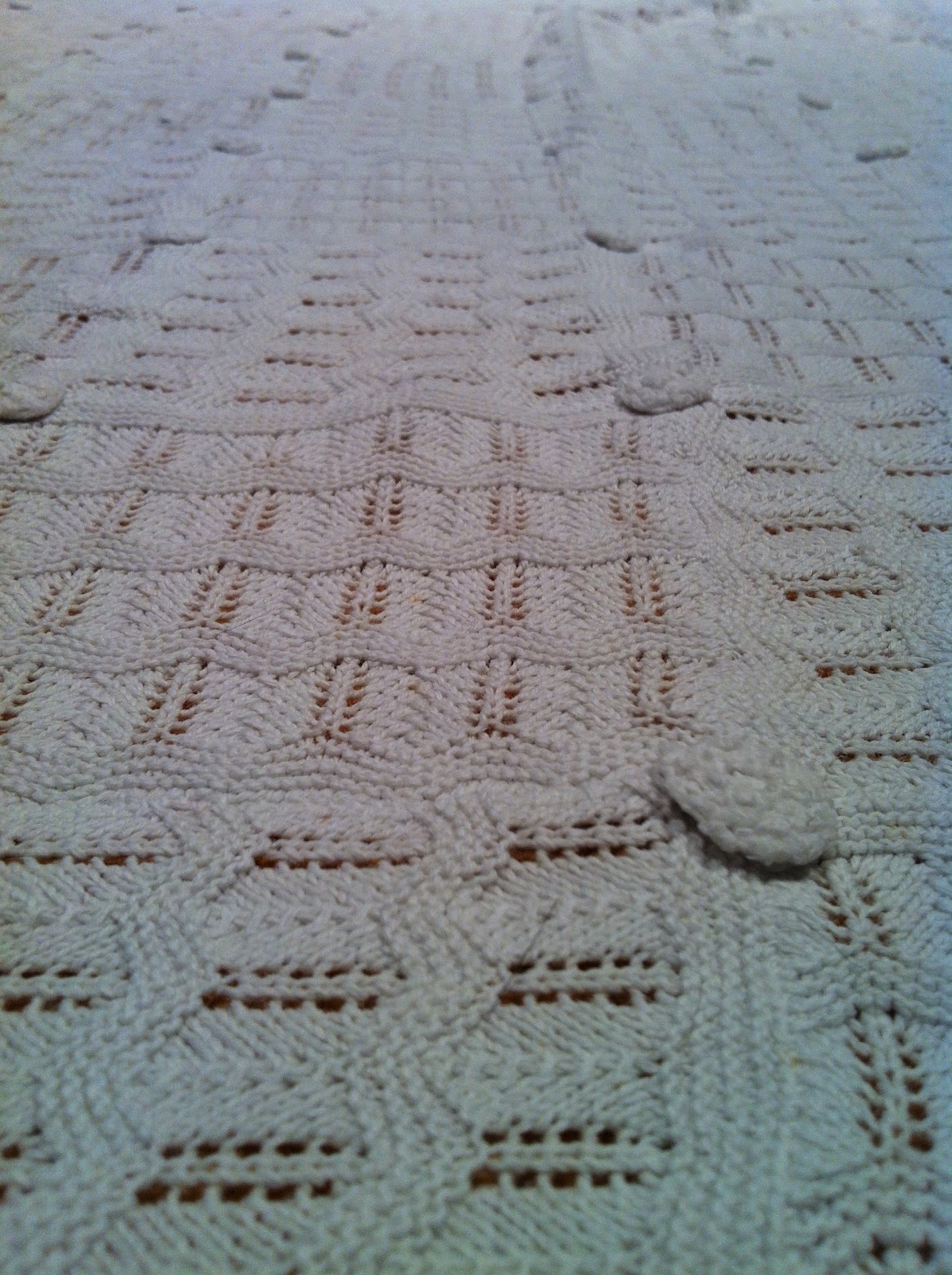
February 23, and might easily have sunk after she was dismasted à la Admella (above) in early April, carried the following enormous cargo in addition to our nineteen-year-old great-great-grandmother Laura Travers and her knitting—an
impressive ballast that may well have made all the difference during that
terrible gale in the South Atlantic: 237 hogsheads of Hale and Stuart ale; 20 hogsheads of beer; 200 cases of Callender and
Caldwell spirits; 125 bundles of wire; 64 flagstones; 2,000 fire-bricks; a
number of boilers; many packages of “machinery”; 50 barrels of salt; one
case of seeds; five tierces of fish; 650 cases of bottled porter; 621 boxes of
oilmen’s stores; 125 kegs of nails; one range; two trusses; eight cases of
“hardware”; 2 pedestal clocks; 1,600
bushels of barley; 438 bars of iron; 30 firkins of butter; 5 casks of chicory;
eight dog-carts; six bales of linen; 231 cast-iron pipes; 60 tons of pig iron;
six casks of sausage skins; 13 tierces of hams; one bin of malt; 40 bags
of refined sugar; 68,000 slates; 7,040 tiles; four Parkin and Wharton mangles;
four crates of earthenware; four casks of horseshoes; six bales of paper; 42
grindstones; 117 tons of coal; 13 cases of plate-glass; 53 cases of pickles,
and much else besides—in other words leaning heavily towards alcohol, food, and
building materials, most if not all intended for sale at the diggings.
If the experience of sailing aboard the Florine had tested Laura up to the limits of endurance, at least she survived and prospered. Alas, Dr. and Mrs. Ffloyd Minter Peck, to whose party she and her elder sister Henrietta had been attached, did not fare so well. At first Dr. Peck slotted conveniently into the local community of East Gippsland, serving alongside our great-great-grandfather William Pearson on the committee of management of the Sale Agricultural Society from its inception on December 16, 1859—along with John Johnson, the future Judge Johnson, who with his family was another cabin passenger on the Florine. However, Mrs. Peck died very soon afterwards, and, following a rather brief period of mourning, Dr. Peck remarried on August 15, 1860, to Menie, the daughter of Duncan Campbell, Esq., of Rockside, Islay, Argyllshire. He died, aged 43, on January 7, 1864, at their residence, Islay Cottage, in Cuninghame Street, Sale. Having lived at such close quarters with the five Peck children, and having shared the ordeal of the Florine, it is inconceivable that Laura and Henrietta did not each maintain a kindly interest in their welfare through the 1860s, as both women started producing their own bewildering number of children for William Pearson and his crony Lemuel Bolden of Strathfieldsaye on the northwest shore of Lake Wellington.
Eventually Laura and Henrietta were separated, when Mr. Bolden diversified his interests and went to southern Queensland. He died in Brisbane on January 27, 1898. Henrietta proved far more durable even than Laura, who died at her enormous house in suburban Melbourne, aged 59, in 1896. A few months after her eighty-first birthday in 1916, Henrietta Bolden died in Brisbane. And even then her obituary notice clung stubbornly to the memory of the old rogue whose peccadilloes eighty years earlier did more than anything else to define the harsh trajectory followed by both sisters: “There passed away on July 10 [1916] an old colonist in Henrietta Bolden, of Hyning, Sandgate, Queensland. The deceased was a daughter of the late Judge Travers, of Madras Residency. She came to Australia in 1858, and in 1860 married the late Lemuel Bolden, of Victoria, who was the first squatter to import Bates pure-bred short-horn cattle. Later they went to Queensland, and lived at Northbrook, on the Brisbane River, but for the last 18 years Mrs. Bolden had lived quietly at Sandgate. She leaves five sons and two daughters” (The Daily News, Perth, Western Australia, Thursday, July 27, 1916, page 4).
If the experience of sailing aboard the Florine had tested Laura up to the limits of endurance, at least she survived and prospered. Alas, Dr. and Mrs. Ffloyd Minter Peck, to whose party she and her elder sister Henrietta had been attached, did not fare so well. At first Dr. Peck slotted conveniently into the local community of East Gippsland, serving alongside our great-great-grandfather William Pearson on the committee of management of the Sale Agricultural Society from its inception on December 16, 1859—along with John Johnson, the future Judge Johnson, who with his family was another cabin passenger on the Florine. However, Mrs. Peck died very soon afterwards, and, following a rather brief period of mourning, Dr. Peck remarried on August 15, 1860, to Menie, the daughter of Duncan Campbell, Esq., of Rockside, Islay, Argyllshire. He died, aged 43, on January 7, 1864, at their residence, Islay Cottage, in Cuninghame Street, Sale. Having lived at such close quarters with the five Peck children, and having shared the ordeal of the Florine, it is inconceivable that Laura and Henrietta did not each maintain a kindly interest in their welfare through the 1860s, as both women started producing their own bewildering number of children for William Pearson and his crony Lemuel Bolden of Strathfieldsaye on the northwest shore of Lake Wellington.
Eventually Laura and Henrietta were separated, when Mr. Bolden diversified his interests and went to southern Queensland. He died in Brisbane on January 27, 1898. Henrietta proved far more durable even than Laura, who died at her enormous house in suburban Melbourne, aged 59, in 1896. A few months after her eighty-first birthday in 1916, Henrietta Bolden died in Brisbane. And even then her obituary notice clung stubbornly to the memory of the old rogue whose peccadilloes eighty years earlier did more than anything else to define the harsh trajectory followed by both sisters: “There passed away on July 10 [1916] an old colonist in Henrietta Bolden, of Hyning, Sandgate, Queensland. The deceased was a daughter of the late Judge Travers, of Madras Residency. She came to Australia in 1858, and in 1860 married the late Lemuel Bolden, of Victoria, who was the first squatter to import Bates pure-bred short-horn cattle. Later they went to Queensland, and lived at Northbrook, on the Brisbane River, but for the last 18 years Mrs. Bolden had lived quietly at Sandgate. She leaves five sons and two daughters” (The Daily News, Perth, Western Australia, Thursday, July 27, 1916, page 4).